














Meet Lawrence, your SeedLegals AI copilot
“Create a SeedFAST for a £100,000 investment. Send it to Alice. Use my standard terms.” “What percent...


Already have an account? Log in
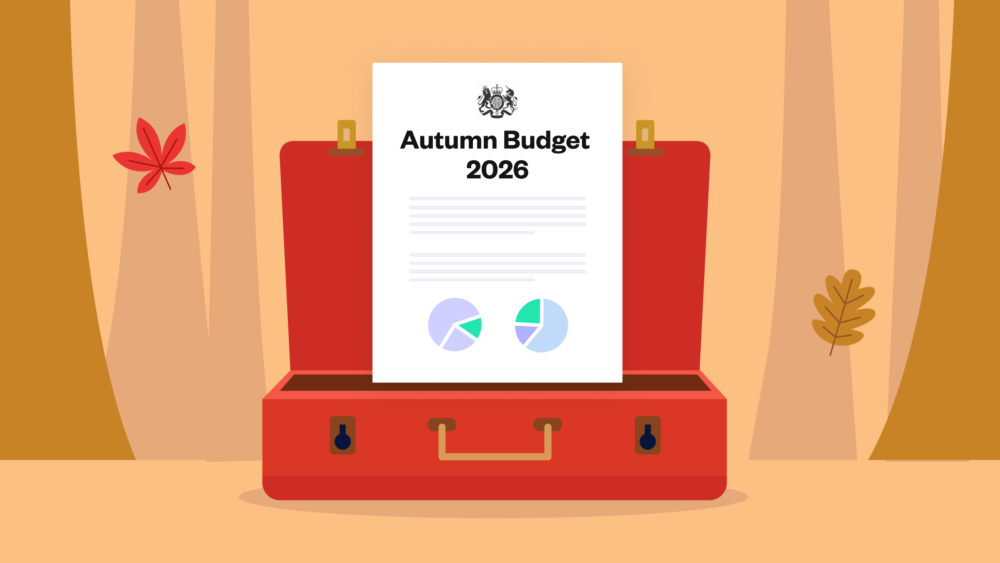
The Chancellor of the Exchequer, John Healey, has announced the Labour government’s tax and spending plans in the Autumn Budget 2026.
Against a backdrop of global economic pressures and rising costs, the government has pledged to support businesses and back a new generation of wealth creators.
For startups and investors, the Budget brings some practical changes, including updates to R&D tax relief and EMI share options, alongside broader commitments to supporting entrepreneurship and investment.
Here’s what’s changing and what it means for your startup:
The Chancellor announced the introduction of a new Founders’ Relief from 6 April 2027, allowing qualifying founders of high-growth, innovative UK companies to pay just 10% Capital Gains Tax (CGT) on up to £10 million of lifetime gains when selling their shares.
The new relief is designed to reward entrepreneurs who take risks to build and grow successful UK businesses. The eligibility criteria are still being finalised through a technical consultation, which closes on 30 November 2026, with legislation expected in Finance Bill 2026/27. We’ll share more details as soon as they’re confirmed.
From 6 April 2027, the existing Company Share Option Plan (CSOP) will be renamed EMI2, providing growing businesses with a more generous employee share option scheme.
The maximum value of tax-advantaged options an employee can hold under EMI2 will double from £60,000 to £120,000, while the maximum exercise period will increase from 10 to 15 years. Employees will also be able to benefit from both EMI and EMI2 without the limits of one scheme affecting the other.
The goal is to make it easier for growing companies to attract, reward and retain talented employees.
EMI is designed for smaller, growing companies, but there are limits on how big your business can get before it stops qualifying. CSOP (soon to be EMI2) offers another option for larger businesses, with fewer restrictions on company size.
| EMI | CSOP (current) | EMI2 (April 2027) | |
|---|---|---|---|
| Employee threshold | Fewer than 500 full-time equivalent employees | No general limit | No general limit |
| Company gross assets limit | £120m | No general limit | No general limit |
| Maximum value of options per employee | £250,000 | £60,000 | £120,000 |
| Maximum value of options per company | £6m | No equivalent limit | No equivalent limit |
| Maximum exercise period | 15 years | 10 years | 15 years |
| Interaction with EMI limits | Currently shares a combined individual limit with CSOP | Counts towards EMI’s individual limit | Separate individual limits |
The Enterprise Management Incentives (EMI) scheme was already expanded in April 2026, with higher limits on company gross assets and employee numbers. This means more growing companies can qualify for EMI and keep offering tax-advantaged share options for longer.
From 6 April 2027, the government is making a few more changes:
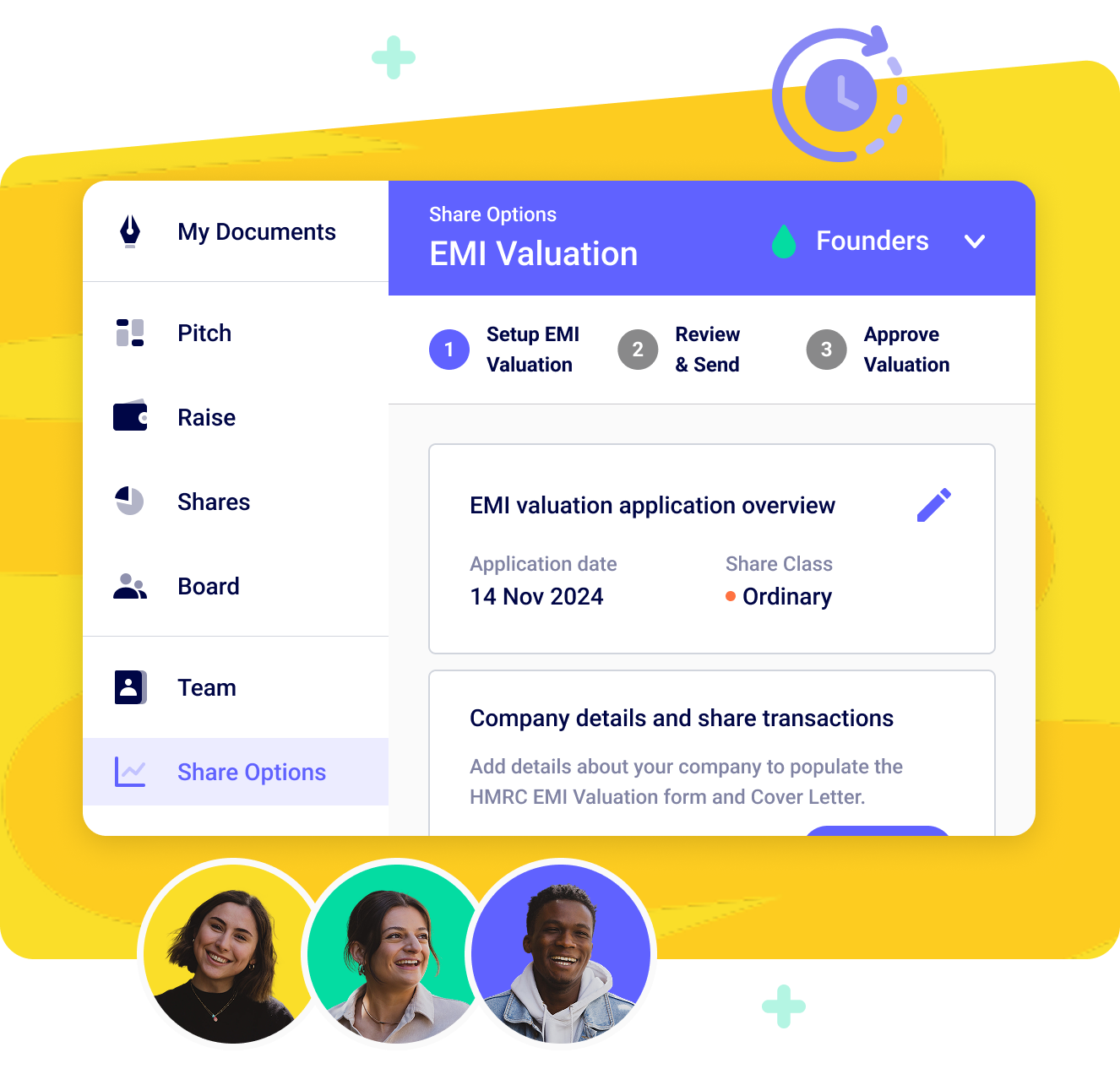
Set up and manage your EMI scheme on SeedLegals, with expert support every step of the way. From agreeing your valuation with HMRC to granting options, we'll help you get it right.
Good news if you’re planning to raise investment through SEIS or EIS: the Budget hasn’t changed the investment limits or tax relief rates for either scheme.
The government has announced plans to make both schemes easier to use through a small number of technical changes. It’s also planning consult with stakeholders on how to improve the SEIS Advance Assurance process.
The details are still to come, but the direction is encouraging for startups looking to raise investment.
There are no changes to the headline R&D tax relief rates, but the government is making it easier for companies to claim.
From April 2027, the Claim Notification Form (CNF), also known as the Pre-notification Form, will be removed. Currently, companies that need to submit this form must do so within six months of their financial year end. Removing this requirement will make it easier for companies to claim R&D tax relief if they’ve missed that deadline.
The government also announced plans to simplify the Additional Information Form (AIF), reducing the paperwork involved in making an R&D claim.
Both forms will remain in place until the changes take effect. In the meantime, if you need help navigating the R&D tax relief process, get in touch with our team to discuss your claim.
Prepare and submit your R&D tax relief claim with specialist support every step of the way

Capital Gains Tax (CGT) is tax paid on profits from selling or disposing of assets, including shares. The main rates of CGT increased in the 2024 Autumn Budget and remain unchanged:
| CGT rates from April 2025 | |
| Lower rate | 18% |
| Higher rate | 24% |
Business Asset Disposal Relief (BADR) and Investors’ Relief (IR) allow qualifying business owners and investors to pay a reduced rate of Capital Gains Tax when selling certain business assets or shares.
From 6 April 2027, the lifetime limit on gains qualifying for BADR will fall from £1 million to £500,000. The reduced CGT rate will remain at 18%.
The Chancellor announced that the National Minimum Wage will increase by 3.9% from April 2027, with the new rates as follows:
| Age of worker | Current rate (per hour) | New rate from April 2027 (per hour) |
| 21 and over | £12.71 | £13.21 |
| 18-20 | £10.85 | £11.27 |
| Under 18 & apprentices | £8 | £8.31 |
If you employ people on minimum wage, you’ll need to budget for higher payroll costs from April 2027 and make sure your employees are paid the new rates.
Employers who fail to meet minimum wage requirements can face financial penalties of up to £20,000 per worker.
From 1 April 2027, qualifying retail, hospitality and leisure businesses in England will benefit from expanded Small Business Rates Relief.
The rateable value threshold for 100% relief will increase from £12,000 to £18,000, while partial relief will extend to properties valued up to £21,000.
The government estimates that around 70,000 additional high-street businesses will pay no business rates as a result. Qualifying businesses will also benefit from a two-year freeze on business rates bills, helping smaller shops, cafés and restaurants manage their costs.
From 1 February 2027, the government will increase Small Producer Relief, providing an additional £10 million a year in alcohol duty support to more than 2,000 small producers across the UK.
Qualifying breweries and other small alcohol producers will benefit from bigger duty discounts, particularly on lower-strength drinks.
The government also plans to introduce a new Guest Beer provision in England and Wales, giving pubs tied to larger pub companies more freedom to stock independent beers.
Together, these changes should help smaller producers reduce costs and get their products into more pubs.
The government has also announced several initiatives aimed at encouraging entrepreneurship and helping businesses grow. Some are still at an early stage, with more details to follow.
Overall, there’s plenty for founders to welcome in this Budget, alongside some changes that could mean higher costs. Most of the new measures won’t take effect until April 2027, and some details are still being finalised. We’ll keep you updated as more information becomes available.
Get updates on tax changes, fundraising, share options and everything else you need to know about running and growing your startup.

Article Sources


“Create a SeedFAST for a £100,000 investment. Send it to Alice. Use my standard terms.” “What percent...

Uploading documents to SeedLegals and getting them signed just got even easier. Now you can add one, two, three (four, f...


Following the launch of the latest LeanGTM upgrade, K3C has partnered with SeedLegals to open a new funding round. As an...