













You’re techy, not finance-y – my finance team can help with that
my finance team Client Manager Matt Tucker walks through the finance fixes that SeedLegals customers can use with this n...


Already have an account? Log in
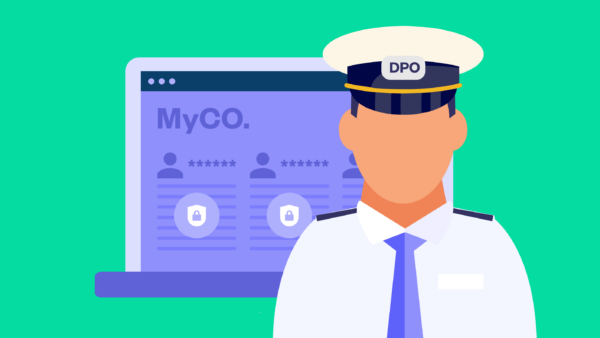
We’ve all read about GDPR and most founders I know live in fear of the same thing: one day a customer emails saying “Delete all my data. This is a GDPR request.”
Then, it’s a mad panic to discover where that customer’s data is stored.
So what do you do? Hire a full-time data protection officer? That’s not going to be on your hiring plan any time soon. Or just wing it, hope nobody ever asks, and panic when they do? Honestly, that’s what most people do.
The good news is there’s a middle option, which is an outsourced, fractional DPO. So I sat down with Julian Gage, founder of Engage Compliance, to talk about what growing companies need to do. I was braced for the usual scary compliance lecture. It wasn’t like that at all.
A couple of founders get together and have an idea for a company, and the last thing on their mind is hiring a data protection officer. Big companies have a whole team for it, but somewhere in between you go, oops, we can’t wing this anymore. Someone notices the website needs a named contact for data protection, everyone looks at each other, and it’s: dude, is that you? Because it’s not me.
According to Julian, it’s mostly companies in regulated or sensitive areas, like fintech, healthtech, crypto, HR tech, anyone handling children’s data, and more and more AI companies where AI is the product. Then there are companies that aren’t any of those, but sell to enterprise customers who expect a proper privacy setup before they’ll sign.
What I found interesting is where the push comes from, and it’s rarely a regulator knocking on the door. Usually it’s an investor making privacy compliance part of the deal, or an enterprise customer sending over a list of requirements and you realise you’ve got none of it.
Julian made a good point here. Some of GDPR is black and white, but a lot of it is grey, and a good DPO helps you stay compliant while still being commercially successful. That said, there are a few non-negotiables:
Do those and you’ve covered most of what you need.
The first time is a scramble. Once you’ve done it a few times, you’ve got a little group set up, you know who to send it to, and they take care of it.
Julian’s rule is that you delete any personal data about that person, except anything you need to keep for legal reasons, like invoices and billing records. It’s not just your CRM either, whether it’s HubSpot or Salesforce. It’s your Asana boards, your emails and your Slack messages too, and technically even your analytics and cookie data.
One thing I’d add, because it catches people out: you can’t actually delete everything. If you wipe their email address completely, whatever system found them in the first place will just add them back, and you’ll start emailing them again, which is exactly what they didn’t want. So keep them on your unsubscribe list, and keep the email chain with them. Weirdly, the only way to make sure you never contact someone again is to keep a record of them.
Here are a few more tips from Julian:
Then he said something I didn’t expect from a DPO. If there’s something you can’t or won’t delete, be honest with yourself that it isn’t compliant. That’s a business decision, and you’re taking on the risk. That was really interesting to hear, because there’s often a sort of panic about GDPR fines, but actually the whole thing’s nuanced.
For most growing companies, I’d say the bigger danger is the due diligence questionnaire, not the deletion request. You’re selling into a bigger customer, they ask if you’ve got all this in place, and someone types “yes, we have all that” and hopes nobody checks. You might get away with it for a while, but as Julian says, contractually and legally you’re now out of compliance with what you’ve told your customer, and that can come back to bite you.
His other warning signs:
If that sounds like you, it’s a lot easier to sort out now than later.
What I loved about this conversation was the pragmatism. You expect compliance to be someone high-handed wagging their finger at you. Instead, Julian tells you straight which things are fine, which to be careful with, and which things most people do that are wrong and need fixing sooner rather than later. And then he helps you sort it.
So if you’ve got a startup or growing company with customer data, give Julian a call before you get a takedown request and you’re in a mad panic. Engage Compliance does a free intro call, and SeedLegals customers get 15% off for the first three months.
Drop Julian a note or head over to Engage Compliance to sort out your data protection before you need to sort out your data protection. Much less painful that way.
And while you’re getting your house in order, the rest of the legal stuff investors and enterprise customers will ask about, from your privacy policies to your team agreements, lives on SeedLegals. Got questions? Book a free call with our team. Or start free and have a look around.

my finance team Client Manager Matt Tucker walks through the finance fixes that SeedLegals customers can use with this n...
The panic of getting people onboarded, while managing tax compliance, equity, reviews and holiday calendars across multi...

Seedling Co-Founder Aimée Tennant explains the sustainability support that SeedLegals customers will benefit from with t...