












WineFi’s win at the SeedLegals Awards 2025 – and why their business has legs
Wine as an asset can be risky to invest in. The SeedLegals Startup of the Year 2025, WineFi, is welcoming young investor...

Already have an account? Log in
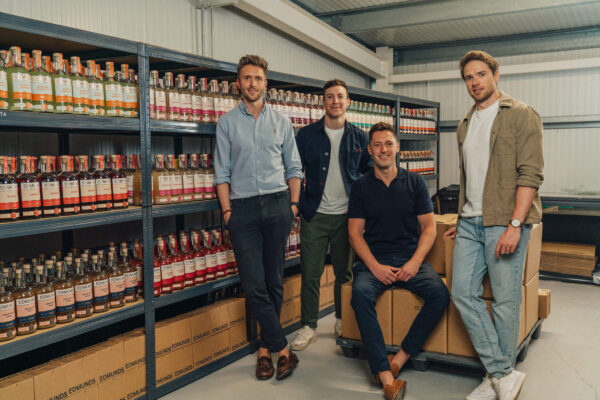
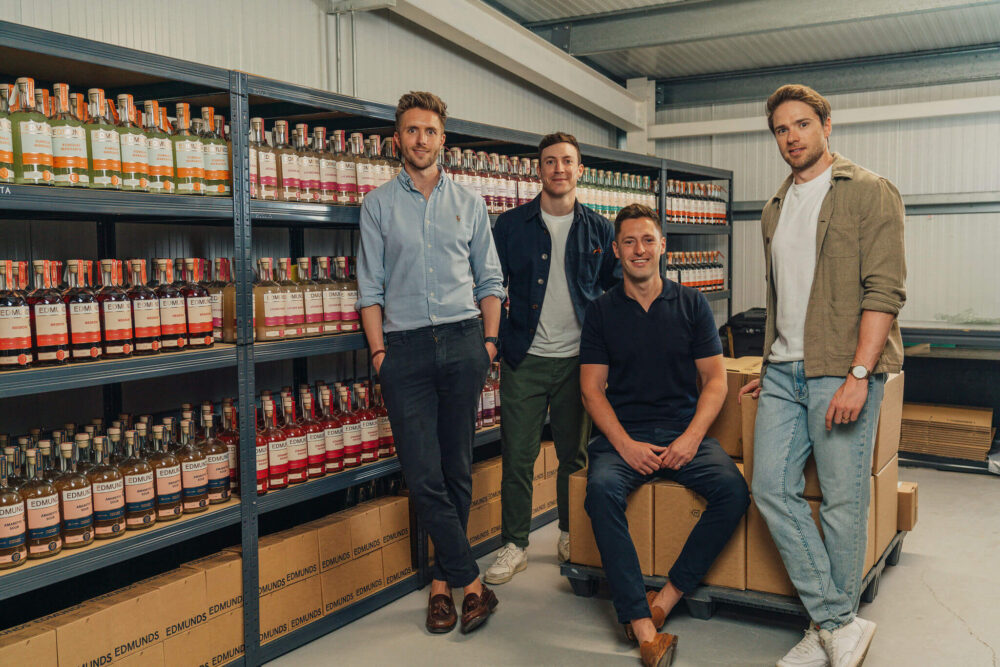
Edmunds Cocktails began in a kitchen with a simple idea: help pubs, bars and restaurants serve genuinely great cocktails quickly and consistently.
The product found its market fast. By 2022, the bootstrapped business had reached around £1.2 million in annual revenue. But the faster they grew, the more cash they needed to fulfil demand and invest in what came next.
They turned to SeedLegals for a clear path through their first raise. Tom and the team knew the funding would help them increase production, hold more stock and invest in their next stage of growth. What they didn’t know was how to structure the investment, secure EIS Advance Assurance or get the right documents in place. SeedLegals guided them through each decision, made the process manageable and kept the raise moving.
Just four months after Edmunds Cocktails launched, lockdown closed the pubs and bars. But demand didn’t disappear. People stuck at home were looking for something more exciting than another bottle of beer or wine, opening up an online market Edmunds hadn’t originally planned for. Meanwhile, hospitality businesses were being forced to rethink how they operated. That created even more demand for faster, more efficient cocktail service when venues reopened.
Edmunds were ready at exactly the right moment. Recommendations spread through the hospitality community and online orders took off. But the speed of that growth caught the young, bootstrapped business off guard.
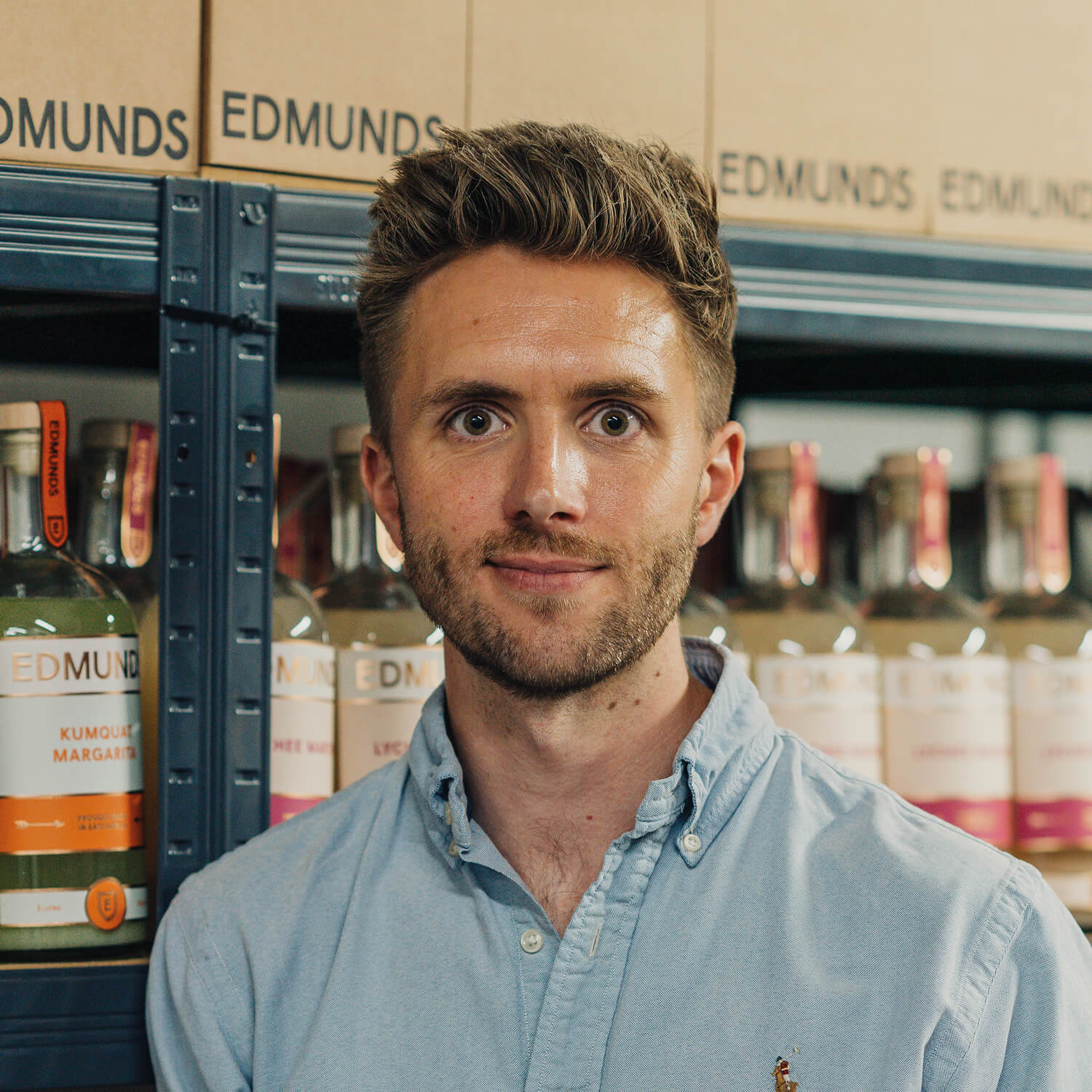 Tom Mayes
We didn’t really have a plan for scale. All of a sudden, the bottle wholesaler was asking, ‘Where’s all this volume coming from? We don’t have enough glass bottles.’ Then we were trying to work out where else we could get them. Cardboard was the same. We grew at a rate that was difficult to catch up with.
Co-founder,
By 2022, Edmunds were already profitable, but didn’t have enough free capital to scale their operations. The team needed to buy ingredients and packaging, build up stock and increase production before the resulting orders put money back into the business.
Tom MayesWe got to about £1.2 million in revenue and couldn’t work out why we didn’t have any money. We were making a profit, but we didn’t have the cash to grow.
With so much opportunity coming to us very quickly, we needed capital to professionalise what we were doing, build enough stock and make sure that when orders came in, we could send them out immediately.
Co-founder,
Standing still would have meant turning down opportunities the team had worked hard to create. After speaking with their accountants, they decided on a two-stage plan: bring in working capital quickly to relieve the immediate pressure, then prepare for a larger raise that could fund equipment, marketing and a more ambitious phase of growth.
Raising equity funding was new territory for Tom and he wasn’t sure where to start. He asked other drinks brands, founders and people in his network how they had approached it. The same name kept coming back.
Tom MayesI didn’t come from a finance or investment background, so I didn’t really understand how it worked. But when I started speaking to other drinks brands and founders, SeedLegals just kept coming up. One of our non-execs recommended them too. Pretty much everyone said SeedLegals, so it felt like the obvious choice.
Co-founder,
SeedLegals helped Edmunds put their two-stage plan into practice. The team talked Tom through SeedFASTs and explained how Edmunds could take in the first investment from close contacts ahead of the larger round using SeedFASTs. That meant the business could respond to the immediate pressure on stock and production without putting its longer-term funding plans on hold.
Tom MayesSeedLegals talked me through the SeedFAST and how it worked in relation to the total round. It all came together from there.
Co-founder,
With early capital secured, Edmunds could work towards the larger growth round with external angel investors. That involved a fuller set of deal terms, funding documents and more detailed negotiations. SeedLegals helped Tom understand how the two routes fitted together, so the capital available immediately didn’t have to wait for the wider round.
As Edmunds widened their investor base, they began speaking to experienced angels who had invested in similar businesses before. Many were already familiar with SeedLegals and knew what to expect when the funding documents arrived.
Tom MayesA lot of them came back and said, ‘Do I need to go through this in fine detail, or are these the standard SeedLegals terms I’m used to?’ We’d say they were the standard terms, and they’d be like, ‘Okay, cool – done.’
Using SeedLegals gave investors confidence because the documents came from someone they’d dealt with before so they knew what to expect.
I imagine investors get a lot of founders trying to DIY the process. If they get something directly from a founder and hear, ‘We put it together ourselves,’ that’s probably quite off-putting.
Co-founder,
EIS was another important part of the raise. Most of their angel investors expected EIS to be available. SeedLegals helped the company apply for EIS Advance Assurance, so Tom could approach those conversations with greater confidence.
Tom MayesMost of the angel investors were expecting EIS, so it was important. We did the Advance Assurance with SeedLegals. It gave me confidence that I could tell people we had EIS.
Co-founder,
Around 70% of Edmunds’ investors ultimately used EIS. For Tom, SeedLegals was a name he could trust, recommended by other founders and backed by clear, practical support throughout the raise. His investors trusted it too. With EIS Advance Assurance taken care of and familiar SeedLegals documents landing in their inboxes, there was less for Tom to explain and fewer reasons for investors to hesitate.
Once the first investment came in, the difference was immediate. Edmunds began buying ingredients and packaging in larger quantities, which brought down costs and made production more efficient. Output increased from around 400 cocktails a day to 1,500 in the immediate term (today, that figure stands at 10,000 cocktails a day), while holding more finished stock meant the team could fulfil orders faster.
Tom MayesInstead of producing around 400 cocktails a day, we could produce 1,500. The costs came down, we could hold more stock and everything became more efficient.
Co-founder,
The larger raise, completed around 12 months later, changed what Edmunds could invest in next. The business moved from an 800-square-foot unit into a 3,000-square-foot space and bought better filling and labelling equipment.
The team hired a salesperson, attended trade shows in London and Birmingham and put the brand in front of larger prospective customers. They also rebuilt the ecommerce website and brought in a marketing agency to grow direct-to-consumer sales.
The results went well beyond the production floor. When the new website was created, Edmunds were generating around £200,000 a year online. Two years later, Tom expects that figure to reach approximately £1 million.
Tom MayesWhen we had the website made two years ago, we were doing maybe £200,000 online. This year, we’ll do around £1 million. That came from the same capital. It gave us the ability to scale faster and do it better.
Co-founder,
The funding turned plans that Edmunds would otherwise have had to tackle slowly, one by one, into changes the team could make when the opportunity was there. Within two years, they had more than tripled daily production, moved into a space nearly four times the size and are on course to grow online revenue fivefold.
Tom’s biggest lesson was not to assume that a strong business or a detailed pitch deck will speak for itself. Investors need to understand where the business could go, how their money will help it get there and what return that growth could create.
Tom MayesI started out being very factual: this is what we’re doing and this is what we’ve done. Then one investor gave me some honest advice: ‘You need to tell us where we’re going to get to.’
I realised I needed to explain what we’d achieved, where we were going, what we’d do with the money and how that could grow their investment. Thinking about what an investor is actually looking for was a big learning.
I’d always focused on brand marketing. But when you’re raising, you also need to market the business and yourself as a founder to people interested in its financial, growth and operational side.
If you think you’ll need angel investment in a year or two, start talking about what you’re doing now. Connect with potential investors before you raise. You don’t need to pitch – you just need to be on their radar.
By the time you reach out, they already know you as a consistent entrepreneur. Once I started doing that, we closed our second round within three or four months. I was so annoyed with myself for not doing it earlier.
Co-founder,
A lot of founders end up where Tom did: the business is working, orders are coming in, but there’s still not enough cash to get to where you want to be. Being profitable doesn’t automatically mean you can grow.
SeedLegals exists for that moment. We’ll help you work out which capital to bring in first, get your EIS and funding documents ready before investors ask and make sure the terms in their inbox are ones they already recognise, so there’s less for you to explain and fewer reasons for them to hesitate.
If that sounds familiar, book a free strategy call with our fundraising team.


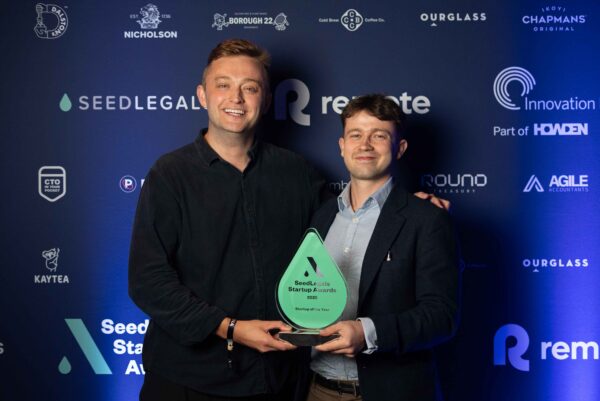
Wine as an asset can be risky to invest in. The SeedLegals Startup of the Year 2025, WineFi, is welcoming young investor...
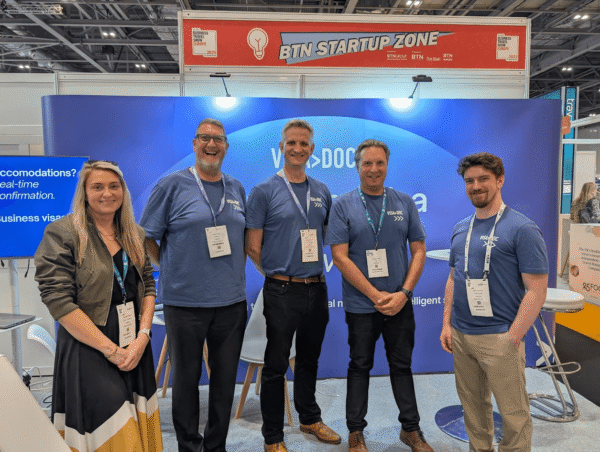
After a difficult experience with another platform, VisaDoc found fast, hands-on support at SeedLegals to guide them thr...
![Enhanced Fertility]](https://seedlegals.com/wp-content/uploads/2025/09/enhanced-fertility-600x400.jpg)
Enhanced Fertility is transforming fertility care by cutting diagnosis and treatment times from years to days.