








How to spot the right moment to flip from LLC to C corp
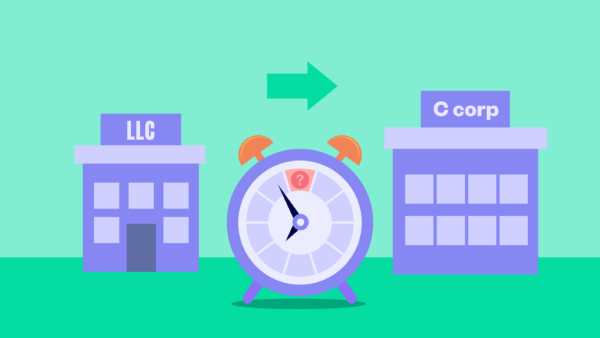
Not sure whether to flip from LLC to C corp? Learn the key triggers,the risks of moving too early or late, and how to ge...


Already have an account? Log in


It’s never easy to assign a value to a company that you’ve put your heart and soul into. Especially since you have to size up how much equity you’re prepared to give away as part of that equation.
When you pitch to investors, what’s the ‘right’ valuation for your early stage company? There’s no quick answer to this. However, we do have data from the thousands of funding rounds closed on SeedLegals to help you make an informed decision about where your company stands – and perhaps more importantly, how to justify that valuation to your investors.
Contents
Generally when building your pitch deck, you’ll need to make three key decisions:

These questions are mathematically intertwined, so there are two approaches you can take:
or:
Some advisors say to raise as much as you can. The steer from VCs and angel investors is usually that you should plan to raise enough to last 12-18 months before you need to raise money again.
Time on the funding trail is time and effort spent away from building your business – and it’s incredibly hard. Here are the key questions to ask yourself:
The reason for a 12-18 month runway is that realistically you’ll need to be on the fundraising trail six months before you’ll have new money in the bank, and you’ll need to show growth between now and then to get new investors interested.
Any shorter than 12 months’ runway and it’s going to be hard to hit key milestones or show any real traction. That means you’re going to find it harder to justify a higher valuation at your next round. It’s called a runway for a reason – if you don’t have lift off before you reach the end, things will come to a sudden stop!
So, if your starting point is figuring out the cash you need, then simply look at your monthly burn rate. Add in the team members you plan to hire, marketing spend, dev costs, etc., and then look at your monthly burn rate again. Now multiply this by the number of months’ runway you need. Remember to factor in a buffer for the unknown as anything can happen – and usually does when you’re piloting a startup.
At this point, it’s important to remember investors won’t be sold on the prospect of funding your monthly burn. So when they ask about why you’re raising your target amount, remember to make your answer about milestones and not survival. Focus on the resources you’ll need to achieve your goals and the length of time it will take to get you there.
As much as Shark Tank makes for great TV, here in the real world, equity investment doesn’t work like that. You’re not pitting yourself against an adversary who wants to take a huge chunk of your company.
The general rule of thumb for angel/seed stage rounds is that founders should expect to sell between 10% and 20% of the equity in the company. These parameters weren’t plucked out of thin air. They’re based on what an early equity investor is looking for in terms of return.
Investors are placing bets on you with the clear knowledge that most of their investments will give zero return. They’re exposed to a high-risk/high-potential scenario, so they need a decent slice of equity to get a meaningful return if things go well. And they want a meaningful level of influence and control over key company decisions if they don’t.
The good news is that there’s now another way to raise funds, outside of the traditional go-big-or-go-bust funding cycle. It’s called agile funding and it allows you to take advantage of investment opportunities, whenever and wherever they appear.
With SeedLegals, it’s quick and simple to take in smaller amounts of funding as and when you need to in between funding rounds.
Previously, a little-and-often raising pattern would be a bad idea because:
We’ve changed all that with our simple and secure SeedSAFEs.
SeedSAFE is our name for a Simple Agreement for Future Equity. It’s a quick way for you to take in a one-off investment or a series of investments before a priced funding round. They have become a go-to option for early-stage startup investments, as unlike traditional equity, a SAFE allows your investors to secure the right to future stocks in your company without setting a valuation upfront. This conversion typically happens during a triggering event, such as the next priced funding round, giving your investors equity once your company raises a formal round.
Also, to avoid dilution surprises, you get to choose a pre- or post-money cap to protect your ownership in future rounds. And it can be tailored. Giving you more flexibility than a YC SAFE.
So far, we’ve approached the valuation question from what you as a founder want to get out of the equation.
Of course, investors have their own systems. But exact valuation figures aren’t any easier for them either. If you asked VCs how to value your company, you’d get a wide range of responses, including:
Some VCs are led by their head, others by their heart. Some will want to value your company on its own merits, while others will evaluate it relative to similar companies.
Ultimately, your company valuation is whatever you and your investors agree it is. We hope that this article will help you reach a credible valuation that gives you wide investor appeal without overly diluting the founders.
From Bootstrap and Seed to Series A, our team are here to help. Book a call to get answers, fast.
Bring all your questions - we’ve got the answers! We’ll match you with the right specialist.

Not sure whether to flip from LLC to C corp? Learn the key triggers,the risks of moving too early or late, and how to ge...

Eni Maj, co-founder of Travel Spoken, shares how the platform is turning travel content into bookable trips using AI – a...

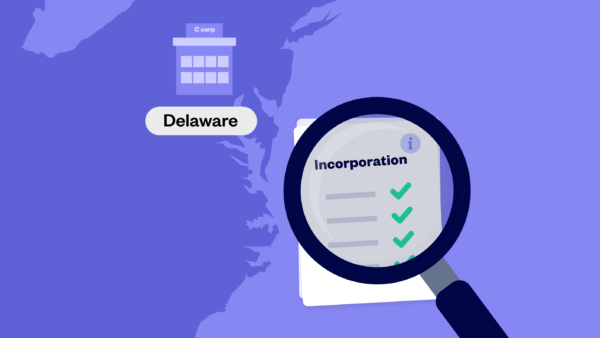
Learn how to incorporate your startup in the USA with our step-by-step expert guide. Avoid common mistakes and get ready...