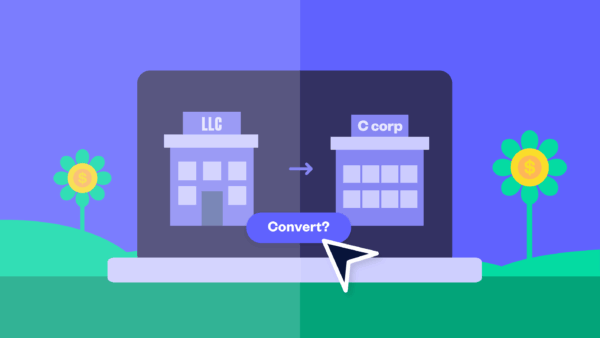
See exactly how your SAFEs will play out before your next raise. Add your valuation cap, discount rate, and investment amount for each SAFE, stack as many as you need, then model your next raise to see the dilution breakdown. Takes 30 seconds.
Calculate startup equity dilution
Know your dilution before you sign
Raising money almost always means giving up some ownership. The tricky part is that a lot of founders don’t find out how much until it’s too late to do anything about it.
This calculator lets you model your SAFEs (pre-money or post-money, with whatever discount rate or valuation cap you’re working with) and see how they convert once your next round closes. Stack multiple SAFEs to see how they add up together, then get a clear percentage split of what you, your SAFE investors, and your new round investors each end up with.
Model it before you sign, and you get to make an informed call on ownership, control, and how much flexibility you’ll have for future rounds.
How startup equity dilution works
Equity dilution happens when a company issues new shares, reducing the ownership percentage of existing stockholders. For founders, dilution typically happens during:
- SAFE financings
- Convertible note conversions
- Priced funding rounds (seed, Series A, and beyond)
- Option pool increases
Dilution isn’t automatically a bad thing. If your company is worth a lot more after a raise, a smaller slice of a much bigger pie is still a win.
What matters is understanding how dilution stacks up across multiple rounds. Raise a few SAFEs before your priced round, and you can end up giving away more than you expected once they all convert at once. That’s exactly why it’s worth modeling early, not after the fact.
How SAFEs stack up against priced rounds
SAFEs can make fundraising faster and simpler in the early days. But they also make dilution harder to visualize, since ownership isn’t finalized until they convert.
A priced round works differently: investors get stock right away, so ownership percentages are clear from day one.
That difference can significantly affect your ownership over time. For example:
- Multiple SAFEs can stack dilution onto founders before a priced round
- Option pool refreshes often dilute founders further, on top of any SAFEs converting
- Pro rata rights can affect ownership percentages in later rounds too
Get guidance from our team
Our calculator gives you the numbers, but if you want a second opinion, our team is happy to help you map out your funding strategy before you head into investor conversations. Book a free call with us to answer your questions and help you plan.
Get answers fast, for free
Bring all your questions - we’ve got the answers!
We’ll match you with the right specialist.
FAQs
-
Equity dilution happens when a company issues new shares, reducing the ownership percentage of existing stockholders. This usually happens during fundraising rounds, SAFE conversions, or option pool increases.
-
It comes down to when your valuation cap applies: before or after new money comes in.
With a pre-money SAFE, the valuation cap doesn’t include the money being raised in the round. That means the SAFE investors’ ownership gets diluted by any other SAFEs or notes you’ve issued, since they all convert based on the same pre-money cap.
With a post-money SAFE, the cap does include the new investment. This gives investors a clearer picture of exactly what percentage they’ll own once their SAFE converts, since it’s not affected by how many other SAFEs you’ve stacked up. For founders, this means less flexibility (and less certainty about your own ownership) until all the SAFEs convert.
Y Combinator’s standard SAFE is post-money, and it’s become the more common format in recent years. But which one makes sense for you depends on your fundraising strategy, so it’s worth thinking through the details before you lock in your terms.
-
Yes. Expanding the option pool typically dilutes existing stockholders, including founders, unless structured otherwise during the financing.